
Maximizing the Benefits of the Family Room Portal for Loved Ones
Discover how families can leverage the Family Room portal to stay informed, connected, and involved in the care of their loved ones.
Table of Contents
The technology plays an increasingly vital role in healthcare, particularly in facilitating family involvement in the care of loved ones. Family portals, such as ClearCare's Family Room, are revolutionizing how families stay connected, informed, and engaged in the well-being of those receiving care.
This blog post explores the multifaceted benefits of family portals, their key features, and practical tips for leveraging them to enhance care and improve overall outcomes.

The Importance of Family Involvement in Care
Family involvement is crucial for seniors and individuals with chronic illnesses or disabilities. Studies show that active family participation leads to improved emotional well-being, better adherence to treatment plans, and reduced hospital readmission rates. Family members offer emotional support, companionship, and a sense of belonging, which combats loneliness and promotes a positive outlook.
Moreover, family members often possess invaluable insights into a patient's medical history, preferences, and daily routines, enabling healthcare providers to make more informed decisions. They can also act as advocates, ensuring that the patient's needs and wishes are heard and respected.
How Family Portals Bridge the Gap
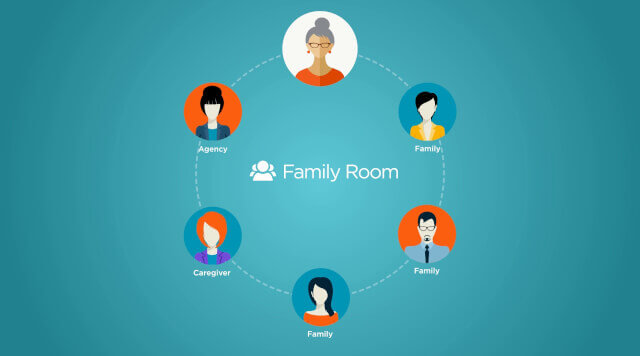
Family portals serve as a digital bridge, connecting families with caregivers and healthcare providers, regardless of geographical distance. These secure online platforms provide access to real-time information, facilitate communication, and empower families to actively participate in care management.
Key Benefits of Family Portals
- Enhanced Communication and Coordination: Family portals streamline communication between family members, caregivers, and healthcare professionals. Secure messaging features eliminate phone tag and ensure that everyone receives the same information. Organized communication, often threaded discussions, makes it easier to track conversations.
- Improved Access to Information: Portals provide authorized family members with access to vital health information, including medication lists, appointment schedules, care plans, and progress updates. This transparency empowers families to monitor their loved one's condition and identify any potential issues promptly.
- Increased Engagement and Peace of Mind: By staying informed and connected, family members experience greater peace of mind, knowing they are actively involved in their loved one's care. The ability to monitor health status, medication adherence, and participation in activities fosters a sense of control and reduces anxiety.
- Better Adherence to Treatment Plans: Supportive family members are more likely to encourage adherence to treatment plans. Family portals provide a platform for sharing information and coordinating efforts to ensure that patients receive the necessary care and support.
- Reduced Administrative Burden: Family portals reduce the administrative load on healthcare staff by providing families with self-service access to information and communication tools. This frees up staff time to focus on providing direct patient care.
Key Features of Family Portals Like ClearCare's Family Room
- Secure Messaging: HIPAA-compliant messaging enables direct and secure communication between family members and care staff.
- Care Calendar: View scheduled care in a monthly or weekly format.
- Medication Tracking: Keep track of medications, dosages, and administration times.
- Care Plan Details: Access goals, actions, and time periods outlined in the care plan.
- Task Updates: Review completed care logs and shift tasks in real-time.
- Invoice Management: View and pay invoices online.
- Photo Sharing: Caregivers can upload photos to share with family members.
- Activity Monitoring: Track participation in activities and monitor functional and cognitive status.
Tips for Effective Use of Family Portals
- Establish an Account: Start by setting up a family portal account with the healthcare provider or agency.
- Explore the Features: Familiarize yourself with the portal's features and functionalities.
- Communicate Regularly: Use the portal to communicate with caregivers and healthcare providers, ask questions, and share concerns.
- Customize Notifications: Set up notifications to receive alerts about important updates, such as medication changes or appointment reminders.
- Share Information: Share relevant information with other family members and caregivers to ensure everyone is on the same page.
- Respect Privacy: Be mindful of privacy and security when accessing and sharing health information.
- Encourage Patient Involvement: To the extent possible, involve the patient in using the portal and accessing their health information.
- Provide Feedback: Offer feedback to the healthcare provider or portal developer to help improve the system and its usability.
- Utilize Training Resources: Take advantage of any training materials or support resources offered by the healthcare provider or portal developer.
- Translate Content: Use translation tools to ensure accessibility for multilingual audiences.
Overcoming Challenges
While family portals offer numerous advantages, some challenges may arise. These can include:
- Technical difficulties: Some users may experience difficulties navigating the portal or using its features.
- Privacy concerns: Family members must be aware of privacy and security protocols when accessing sensitive health information.
- Varying levels of digital literacy: Some family members may be less comfortable using technology.
- Multiple portals: Families may need to manage multiple portals for different healthcare providers.
Addressing these challenges requires clear communication, training, and user-friendly portal designs. Healthcare providers should offer support and resources to help families overcome technical hurdles and ensure they can effectively utilize the portal's features.
The Future of Family Portals
The future of family portals is promising, with ongoing advancements in technology and a growing emphasis on patient-centered care. Expect to see increased integration with wearable devices, remote monitoring systems, and telehealth services. Artificial intelligence (AI) and natural language processing will further enhance portal engagement and personalize the user experience.
Conclusion
Family portals like ClearCare's Family Room are transforming healthcare by empowering families to actively participate in the care of their loved ones. By bridging the distance, improving communication, and providing access to vital information, these digital tools enhance the quality of care and promote better outcomes.
Embracing family portals is a step towards a more connected, collaborative, and patient-centered healthcare system.
Related Posts
Family Room Portal: Enhancing Family Engagement in Home Care
Learn how the Family Room portal improves communication and engagement between families and caregivers, promoting transparency and peace of mind.
Family Room Portal: How to Login to ClearCare
Learn how to quickly and easily login to the ClearCare Family Room portal to view care calendars, shift notes, and other important family updates.
Family Room: View Caregiver Notes in ClearCare
Easily access and understand caregiver notes within the ClearCare Family Room, keeping you informed about your loved one's daily care and well-being.
Notice: Internet users spontaneously contributed the article content, and the article views only represent the author himself. This site only provides storage services, does not have ownership, and bears relevant legal liabilities. If you find plagiarism, infringement, or illegal content, please contact the administrator to delete it.